Description
About the project
This project blew up in a direction I didn't expect, I didn't anticipate this would have anything to do with 3d printing, boy I was wrong...
I had all the electronic component waiting for more than 20 years to be put together, unfortunately I didn't have any spare breadboard I could use for this circuit. That all changed when a friend offered to borrow his PCB etching kit (thank you very much Grant, for this, and so much more that made this project come to life).
I had never etched a board, so I made a few tests beforehand, and produced the first print of this project: a mask to print the PCB traces and a template to drill the holes
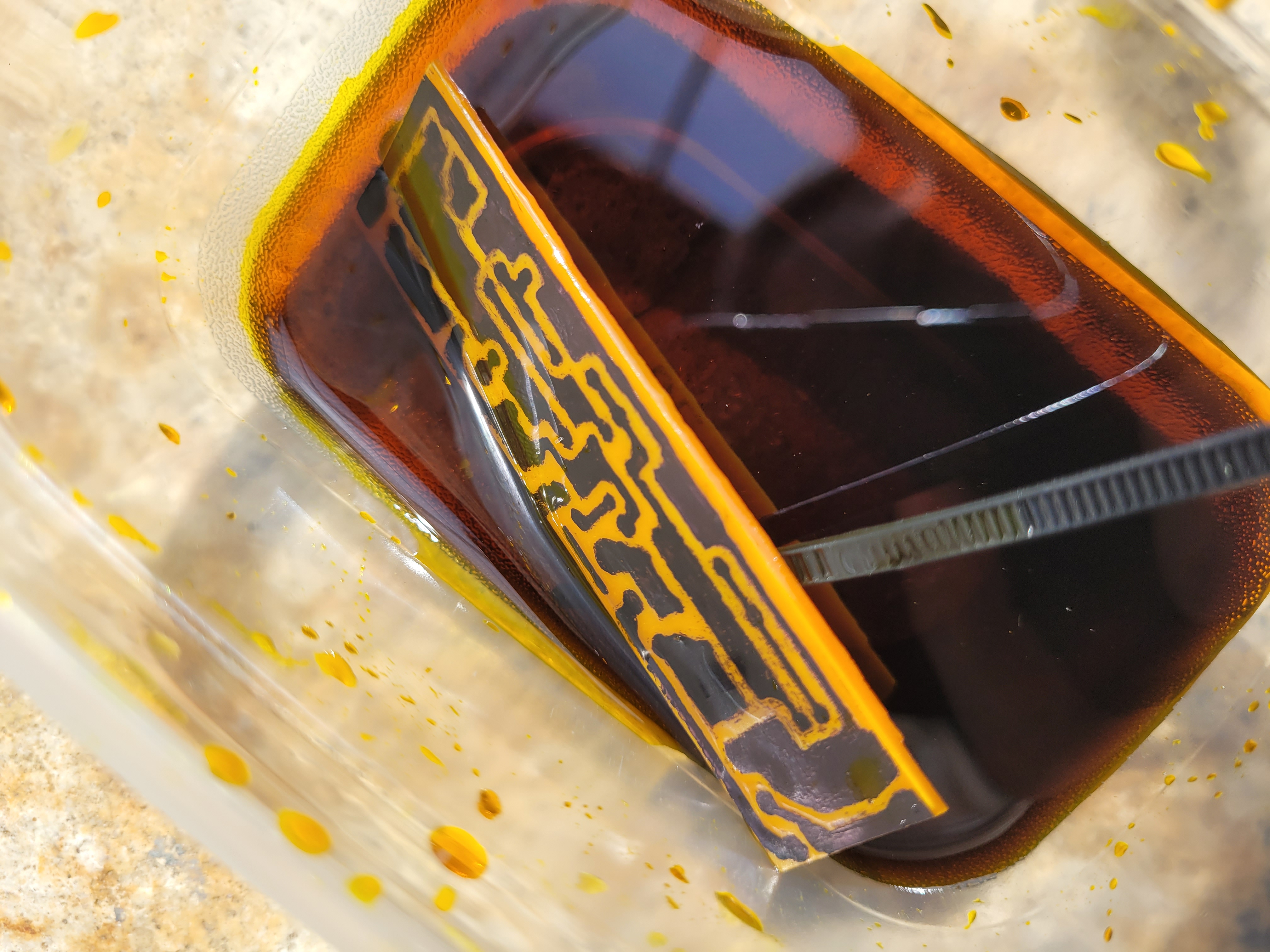
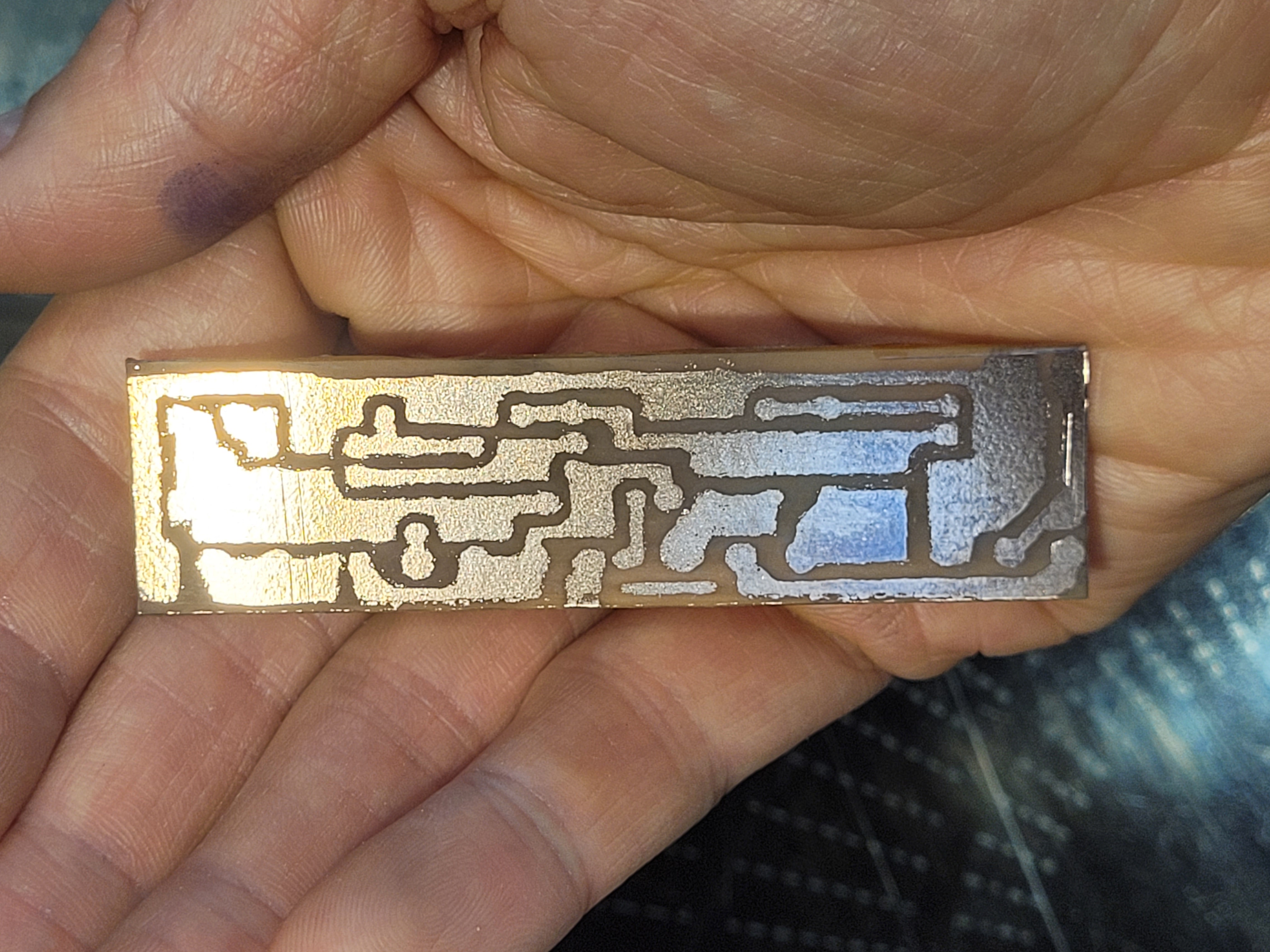
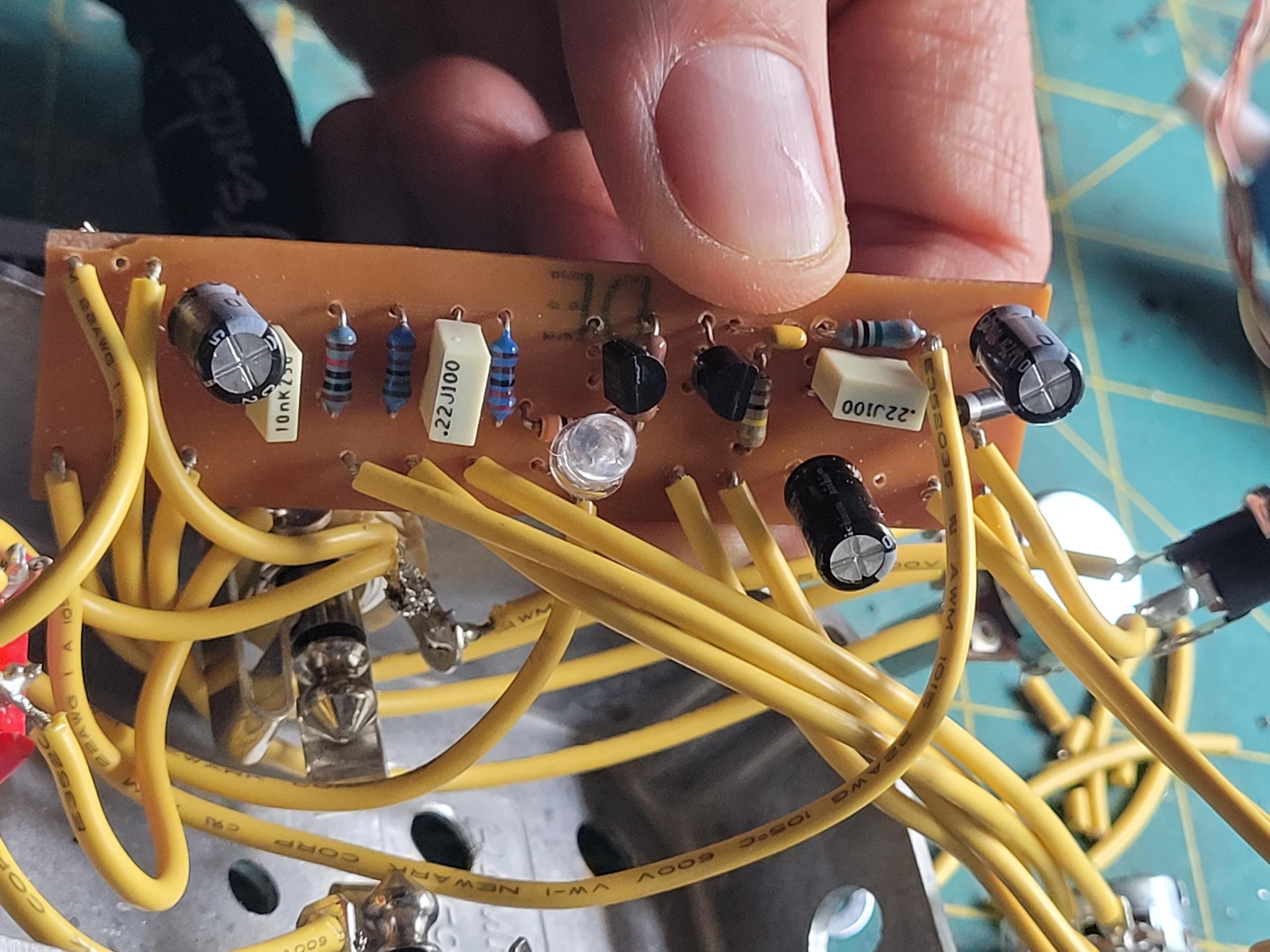
I'll fast forward on the electronics, it's been tedious, adventurous, and time-consumming. It works, not perfectly, but ultimately I can make this pedal thing, which is all I care about. The only box I had in handy happened to be fairly small, and fitting everything inside was a feat in itself. I was left with a functional pedal, albeit not a very pretty one.
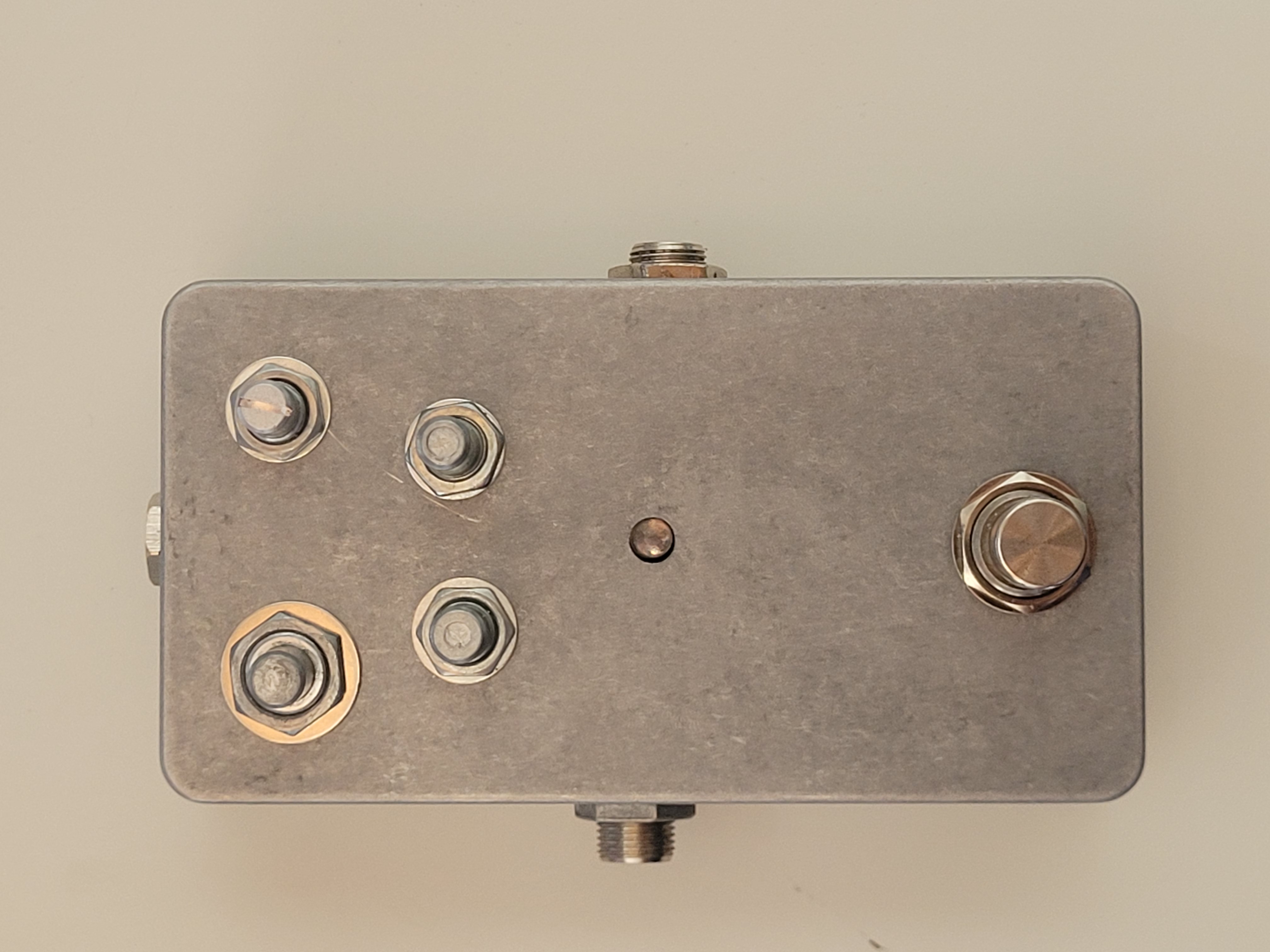
As I was thinking to paint this pedal to give it a more unique look, it dawned on me that my drawing skills barely exceeded stick figures. That's when the lightbulb turned on: of course, I could 3d print a cover! And the cover transformed into a foot switch too, and while at it, knobs.
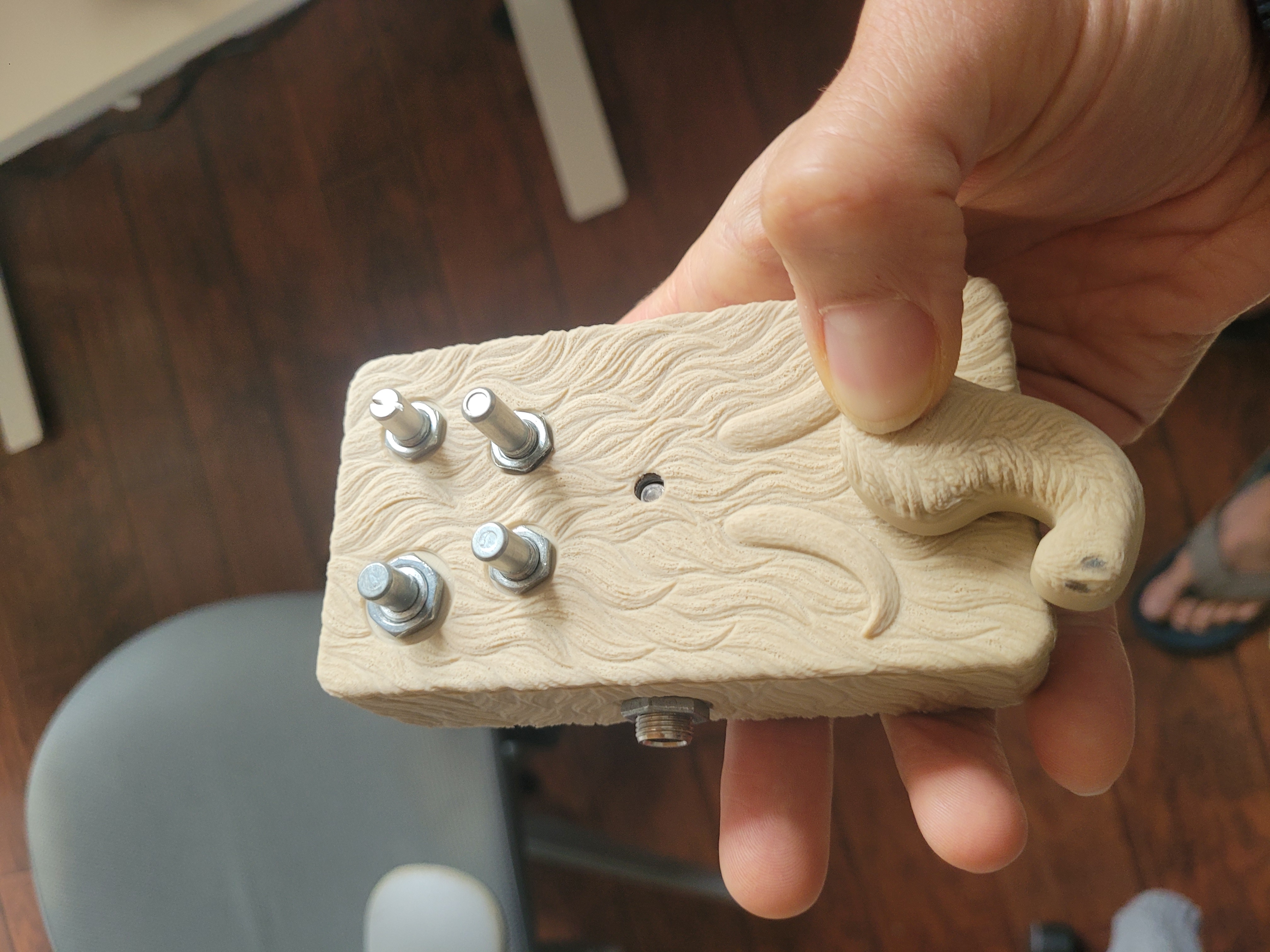
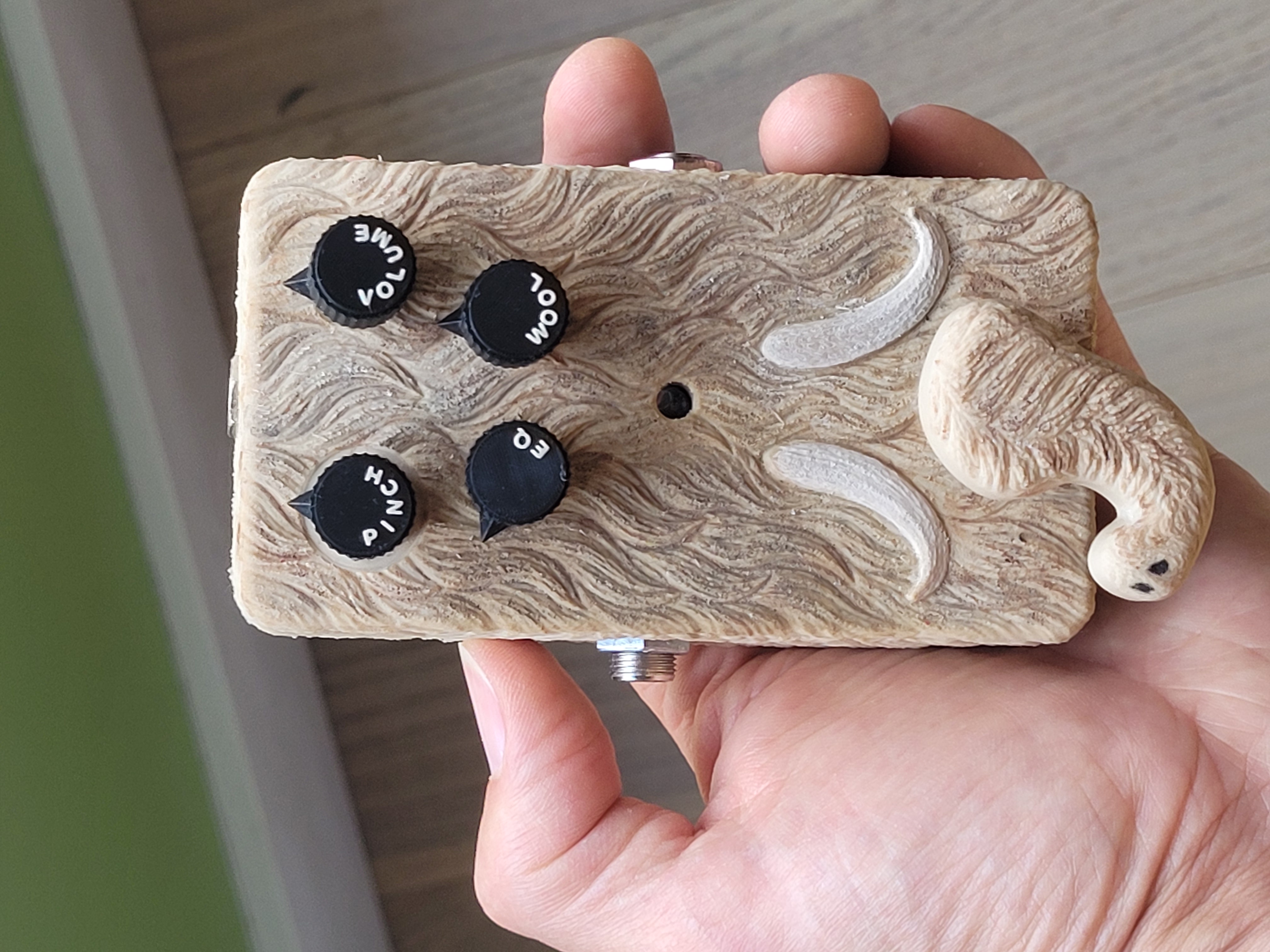
Something not seen here, that I suspect planted the seed of doing a full 3d print model, was the 9v power input problem: the connector I bought was bare metal on the outside. Problem is, on guitar/bass pedals, the 9v is on the outside, while the ground is on the center pin. Which meant that the power was shorted to the ground, because the pedal box wi supposed to be grounded. So I designed and printed a sleeve to insulate the power connector from the pedal.